To many, a van is more than just a vehicle - it’s a mobile office and a toolbox on wheels. Your van doesn’t just get you from job-to-job; it serves as a workspace, a storage solution and a representation of your business. There are countless types of van out there, all suited to different needs that span across a wide range of trades and jobs. Whether you’re just starting up your business, or looking to make a change, finding the best van for you can be a challenge. In this article, we’ll take a look at a variety of different van options and what they excel at, as well as provide some popular examples.
Panel Vans
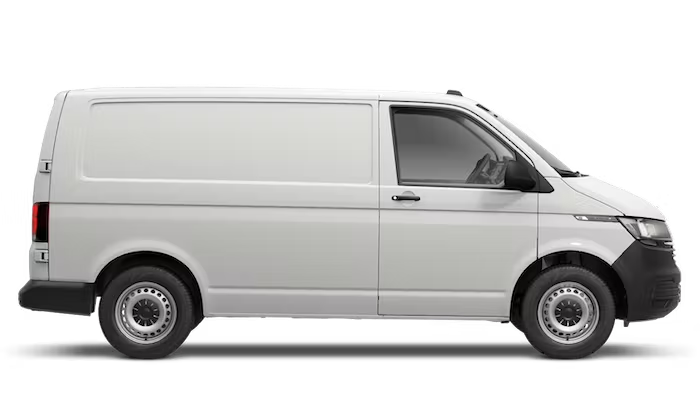
Panel vans are one of the most popular and plentiful types of van on the roads in the UK. They are incredibly versatile and can be utilised by almost every trade and is near guaranteed to be a trusty and reliable workhorse thanks to their often-reliable engines and respectable cargo space. They typically have one row of seats and usually don’t have rear or side windows as to not advertise the contents of the cargo space to any opportunist thieves. To make up for the lack of rear visibility, they provide larger side mirrors that grant the driver greater visibility around the van and reduce the number of blind spots.
They have an extensive list of options that can be tailored to suit your needs such as wheelbase options, roof height, ply lining and trims. We will take a look at these different options further on in this article.
Luton Vans
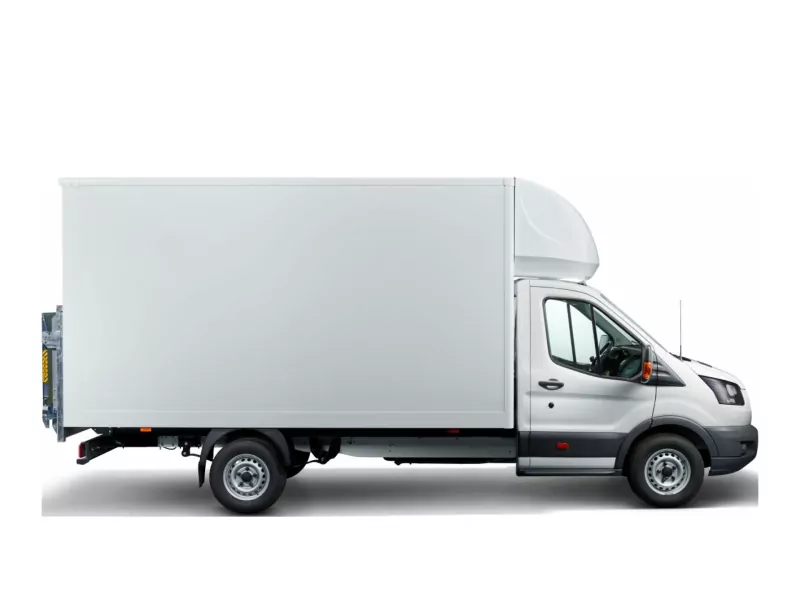
Luton vans are large, boxy vans with an integrated cargo area that extends above the cab for extra storage room. They have a large payload capacity and are the biggest type of van you can drive on a standard driver’s licence. They are the perfect van for those that need to haul big and bulky loads, such as couriers or removal teams.
There is a variant of the Luton van named the Box van, which is similar to the Luton in most ways, apart from the over-cab cargo area sticking out from the cab and is square or rectangular in shape.
Pick-Up Trucks
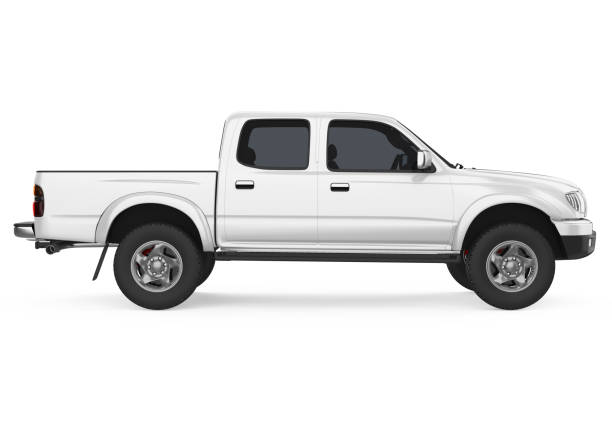
Pick-up trucks resemble a regular car the most, with a familiar appearance and driving experience to an SUV or similarly sized car, only with an open-air rear cargo bed extending from the cab. Unlike the majority of vans, pick-ups have a rearview window and mirror. They often have a high ground clearance and can come in AWD, allowing for off-road prowess. This may be useful for those working or travelling through rough and uneven terrain. They are extremely durable and have great towing potential, adding to their cargo hauling value.
The cargo bed can be fitted with hard tops to ensure the cargo is secured safely and protected from the elements.
One thing to consider when looking to insure your pick-up, is that it’s kerb weight must be under 2,040kg, as they are classified as a ‘dual-purpose vehicle’ as they can carry both passengers and goods.
Other Types of Van
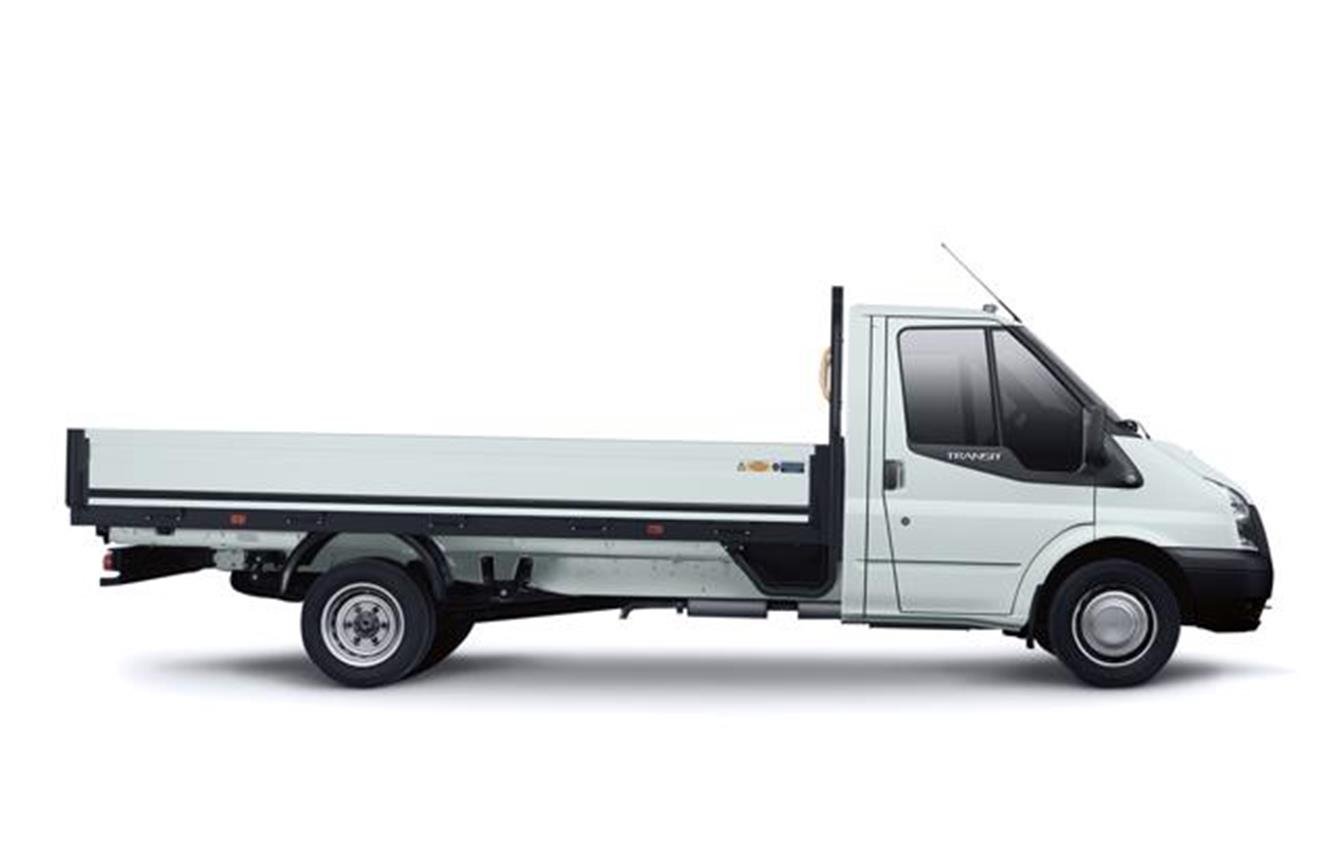
- Flat-Bed – These have an open cargo space at the back, similar to pick-up trucks. The key differences are that they are longer, have lower sides and have a separate cabin.
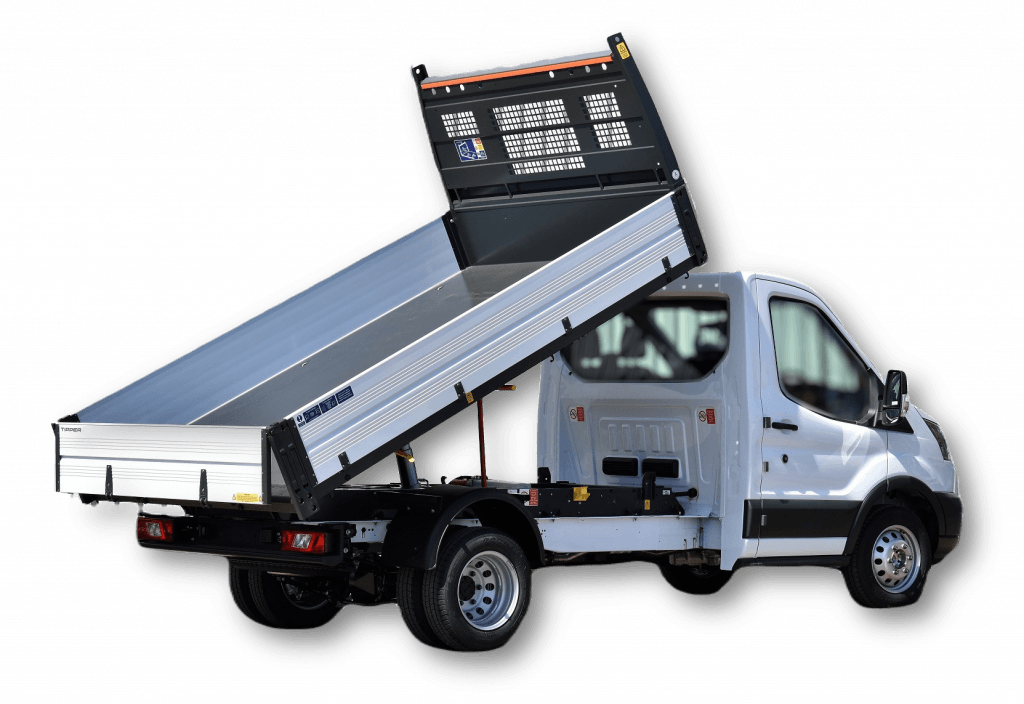
- Tipper – A flat-bed truck with a hydraulic arm that lifts the front of the bed to tip the contents out.
- Dropside – A flat-bed van that can have its sides dropped for ease of access
- Curtainside – Box vans with a plastic curtain on the side that can be opened to allow for easy loading and unloading, and allows for forklifts to pick up and drop off goods.
- Tail-Lift – A tail-lift is a mechanical platform that helps load heavy cargo into the back of the van.
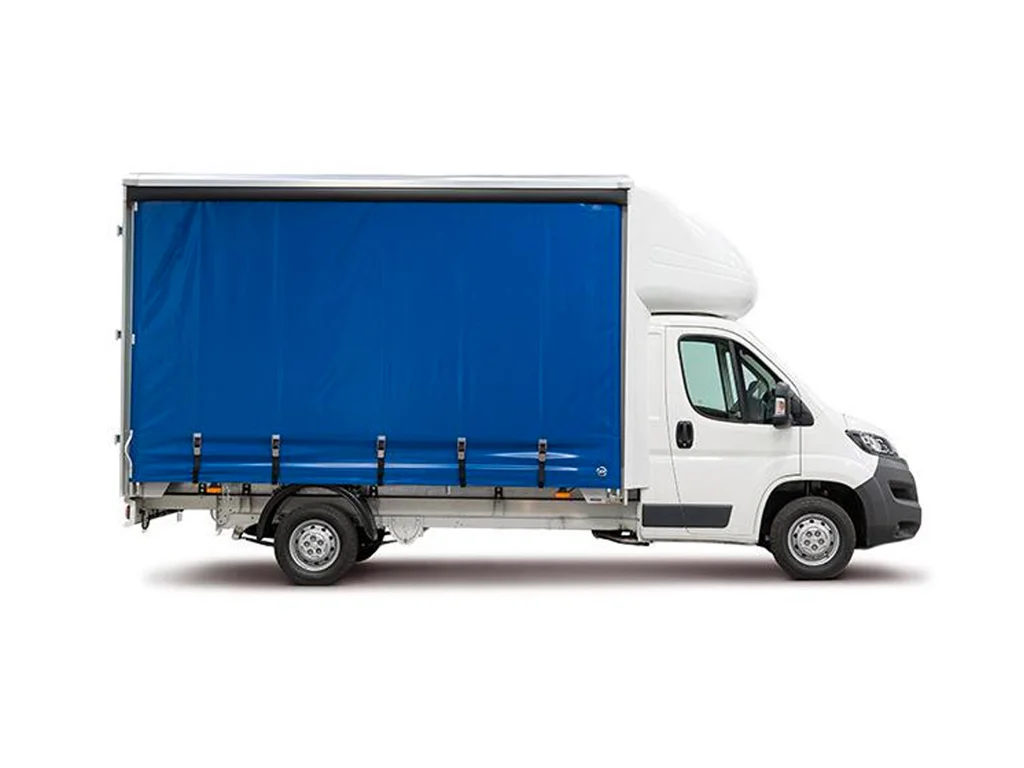
Single/Standard/Regular Cab
Single cabs are the smallest cab size available, seating 2-3 people in one row of either bench or bucket seating. Less passenger accommodation is substituted by more cargo space, making this cab size the ideal choice for independent tradespeople or those with a small team that carry a lot of equipment.
Double/Extended/Quad Cab
Double cabs differ from the single cab by offering a second row of seating. Some double cabs have a pair of doors designed for accessing the second row of seating, however they are usually smaller than the main doors, and some double cabs do not have rear doors. Instead, the rear passengers need to climb across the front seats. Double cabs usually have smaller windows in the rear than in the front.
Double cabs still offer ample cargo space and have the added bonus of being able to transport additional passengers, despite some models having a little less room in the second row than would be desired. Because of this, extended cabs may be used as family vehicles, or tradespeople may use the rear seats as additional cargo space.
Crew Cab
As the largest cab size, crew cabs are able to seat up to six people in the cabin across two rows of seating. The cabin is longer than that of a double cab and the rear seats have more space for those subjected to the second row. Access to the second row is granted by full-size rear doors, and when the second row is used for haulage, these doors can offer for easy loading and unloading. Some crew van models do sacrifice cargo space for the passenger accommodation, so be sure to check the dimensions before placing an order.
More Options
There are many more options and specs to consider beyond the van and cab type, and specifications can honestly get a bit messy, with things such as payload capacity, interior and exterior add-ons, drivetrains, multiple size options etc and different brands utilising alternate naming schemes. The key ones to know include the height and wheelbase length of the van, often categorized by terms such as L1 and H1. These represent the size of the van and as the number increases, so do the dimensions.
Like all specs and options, they can be tailored to suit your needs, so consider the size and weight of the payload you will be carrying. If the payload exceeds the limits of the smaller spectrum of vans, you may end up needing a larger van than your license will allow you to drive – make sure everything is in order before making an inquirey to avoid disappointment.
Ply lining is a popular option that many van owners opt into installing in their van. Ply lining is a layer of plywood installed inside a van to protect the metal panels from damage caused by loading and unloading, carrying loose cargo, or daily wear and tear. Ply lining helps maintain the van's value over time, which can help maximize its resale value or reduce penalty costs at the end of a lease. It can be custom-made to suit your van's specific needs and business requirements. The thickness of the plywood will depend on the intended use of the van, with 5.5 mm typically used for walls and doors, and 12 mm for floors and wheel boxes.
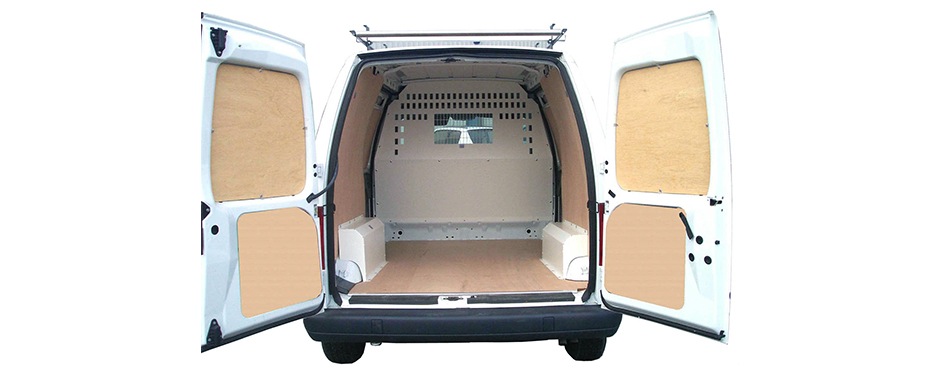
There are so many options to consider, it is important to take the time to analyse your daily requirements and configure a van that meets them.
Now that you have your van, you may want to advertise your business. This is possible by applying a custom vinyl wrap to the panels of the van. You are allowed to do this to any van you lease from us here at Planet Leasing, as long as the wrap is removed before returning the vehicle!
Some of the most popular options for vans and pick-ups include:
- Ford Transit Custom
- Mercedes Sprinter
- Peugeot Partner
- Vauxhall Combo
- Renault Trafic
- Ford Ranger
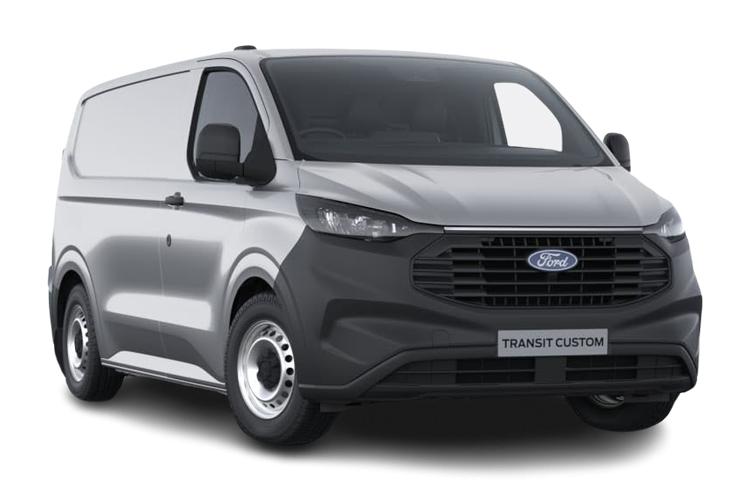
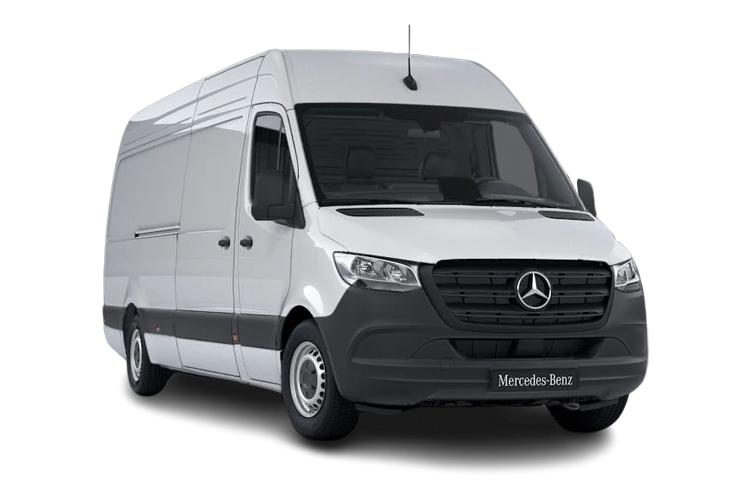
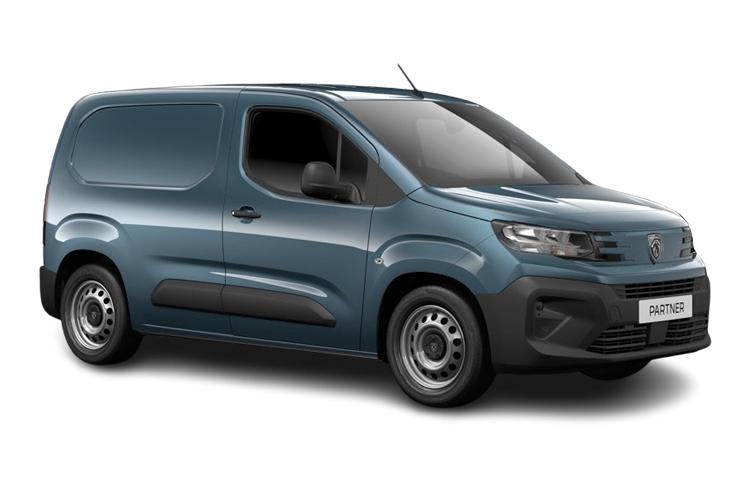
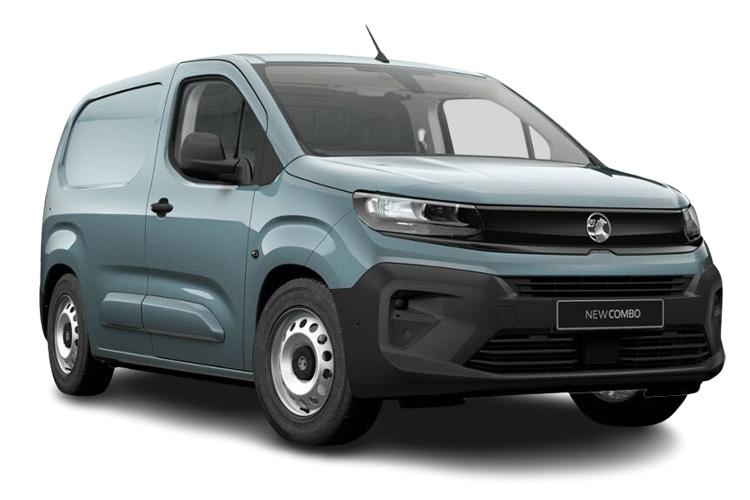
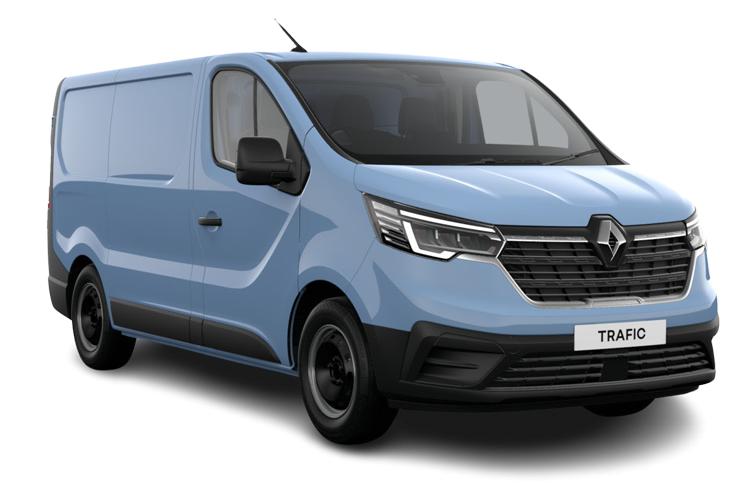
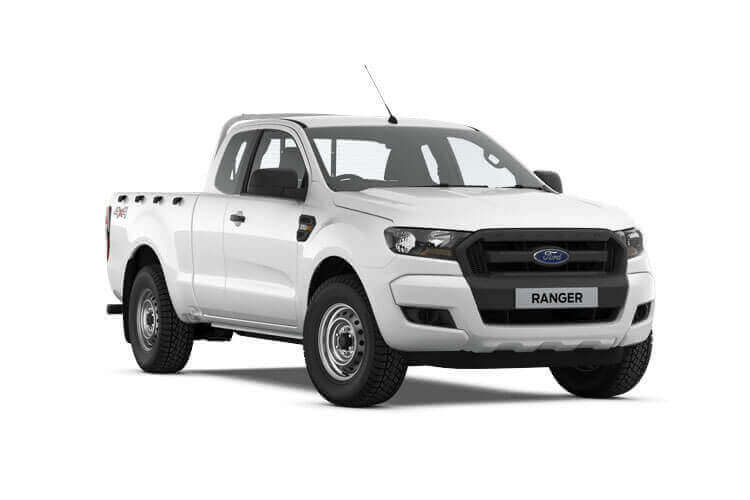
Planet leasing has a wide selection of vans avaliable for Business Contract Hire, so if you are looking for a business van lease, do not hesitate to get in contact! If you can't find what you're looking for, that's not a problem! Our friendly and extrememly knowledgeable sales team will gladly assist in getting you behind the wheel of your desired vehicle as soon as possible!
To see our latest Van Special Offers, please click the button below:
Planet Van Offers
Planet Leasing is an independent vehicle brokerage based in Essex.
We are experts in Personal and Business leasing for any make or model of car, van, or pickup.
Get in touch today:
01702 410470 | sales@planetleasing.co.uk